|
|
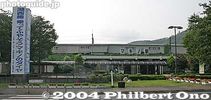
Makino Station on the JR Kosei Line. The only train station in the Makino area of Takashima. MAP
|
|
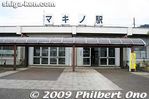
Makino Station. Makino was the first town in Japan whose name used katakana. The town was established in 1955 upon the merger of a few villages. The new town was named after its most famous spot, the Makino Ski Grounds which used katakana for "Makino
|
|
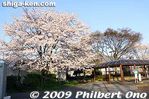
The original kanji for Makino was 牧野. However, the ski grounds used katakana to give an imported feel since skiing was imported back then in the 1920s. Photo: Makino Station's cherry trees.
|
|
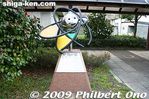
Makino is only one of two towns in Japan whose name uses katakana (the other is Niseko in Hokkaido). マキノ町
|
|
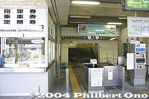
Makino Station turnstile/gate
|
|
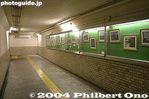
Makino Station corridor with a photo showcase.
|
|
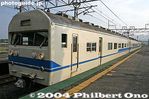
Old-style train on Kosei Line at Makino Station.
|
|
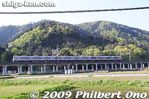
Kosei Line train going to Makino Station.
|
|
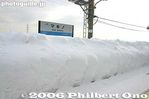
Makino Station platform in winter. This was in Jan. 2006.
|
|
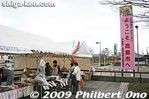
In spring when the cherry blossoms bloom at Kaizu-Osaki, a makeshift food stall is setup outside Makino Station selling local foods.
|
|
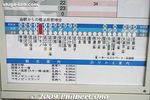
Diagram showing how many minutes it takes to go from Makino Station to other stations. Around 68 min. to/from Kyoto and 32 min. to Omi-Takashima. Makino is also accessible from Maibara via Omi-Shiotsu Station.
|
|
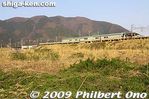
Makino Station looking from the west. Very little development on this side of the station.
|
|
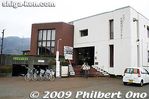
Right across Makino Station is this building which houses the local tourist information office. This is where you can rent a bicycle and obtain sightseeing maps.
|
|
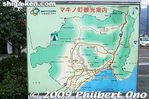
Map of Makino. Makino used to be an independent town until it merged with neighboring towns to form the city of Takashima.
|
|
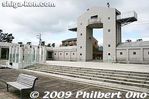
Makino Sunny Beach is a major swimming beach on Lake Biwa in summer.
|
|
|
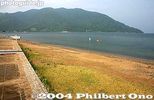
Makino Sunny Beach is a major swimming beach on Lake Biwa in summer. MAP
|
|
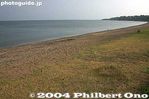
Makino Sunny Beach
|
|
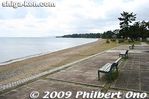
Makino Sunny Beach looks best on a sunny day...
|
|
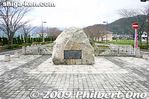
Monument for Takagihama beach.
|
|
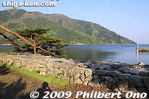
Kaizu stone wall is what you see along the way to Kaizu-Osaki on the distance.
|
|
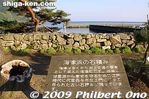
Several hundred meters of stone wall was built in the early 18th century along the lake shore to prevent high waves from damaging homes.
|
|
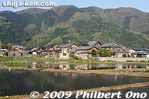
Kaizu
|
|
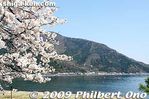
Makino Station is the closest station to Kaizu-Osaki in northern Lake Biwa. Famous for cherry blossoms in mid-April. Best to rent a bicycle at Makino Station. Kaizu-Osaki photos here.
|
|
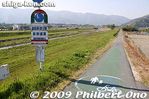
On the west side of Makino Station, you can visit Makino Highland. I went by bicycle.
|
|
|
|
|
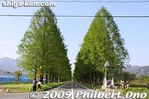
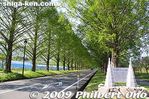
Another noted sight of Makino is this neat row of Metasequoia (dawn redwood) trees. MAP
|
|
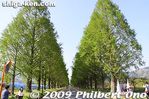
Metasequoia (dawn redwood) trees on the way to Makino Highland.
|
|
|
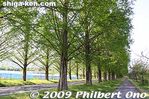
There's a walking path along both sides of the trees.
|
|
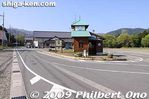
Road to Makino Highland. From here, it's an upward slope (if you're bicycling). Not too bad though. Otherwise, take a bus from Makino Station.
|
|
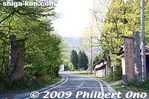
Entrance to Makino Highland (Makino Kogen). Free admission. マキノ高原
|
|
|
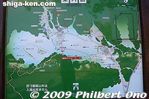
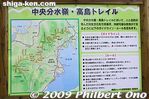
Map of Makino Highland. Quite a large area.
|
|
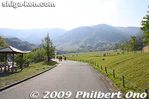
Makino Highland. MAP
|
|
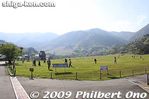
Putting golf course during non-winter months.
|
|
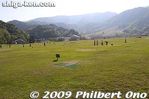
Makino Highland is quite large, includes a small skiiing ground and hiking trails to a waterfall. A great place to relax to get away.
|
|
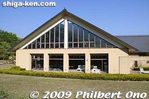
Onsen hot spring facility in Makino Highland.
|
|
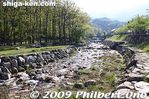
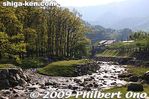
River in Makino Highland.
|
|
|
|
|
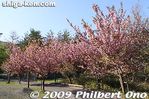
Yae-zakura cherry blossoms in late April in Makino Highland in Takashima.
|
|
|
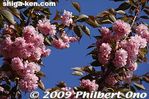
Yae-zakura cherry blossoms are fluffy-looking.
|
|
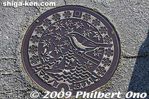
Makino manhole, Takashima, Shiga Pref.
|
|
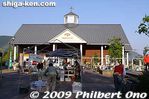
Makino Pic-land
|
|
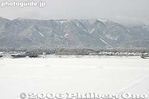
Makino in winter
|
|
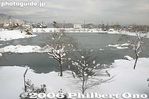
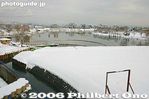
Attached lake in Makino in winter.
|
|
|
|
|