 Most viewed - Lake Biwa Museum 琵琶湖博物館 Most viewed - Lake Biwa Museum 琵琶湖博物館 |
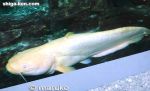
Albino Lake Biwa Giant Catfish621 views
|
|
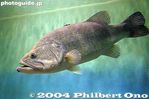
Black bass, an invasive species in Lake Biwa which eats the babies of native fish. If you catch one of these, you must not throw it back into the lake. Dispose of it.589 views
|
|
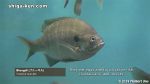
Largemouth bass (black bass) and bluegill are Lake Biwa's worst invasive species. They eat eggs and fry of native fish, crustaceans, and insects.504 views
|
|
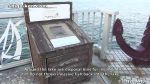
Around the lake are disposal bins for invasive fish. Do not throw invasive fish back into the lake.478 views
|
|
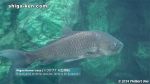
Nigorobuna carp (ニゴロブナ 似五郎鮒) - Endangered endemic species, famous for funazushi.470 views
|
|
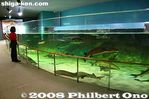
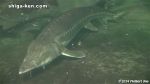
Ancient Fish 古代魚 Sturgeon (チョウザメ) and gar have changed little over millions of years. They are called living fossils. Ancient fish feeding time is 3:40 pm. Sturgeon use their barbel whiskers to feel the bottom for food. They have no teeth.462 views
|
|
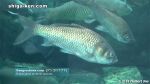
Gengorobuna carp (ゲンゴロウブナ) - Endangered endemic species458 views
|
|
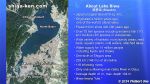
About Lake Biwa448 views
|
|
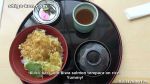
They serve black bass, Biwa salmon, catfish, and more.434 views
|
|
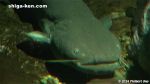
Lake Biwa Giant Catfish is the lake's largest endemic species (max. 1.2 meter long), dubbed the King of Lake Biwa.410 views
|
|
406 views
|
|
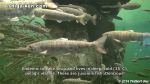
Biwa trout/salmon - Endemic to Lake Biwa and lives in deep, cold (15˚C), pelagic waters. These are juvenile fish. Delicious!398 views
|
|
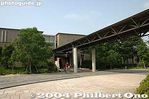
Main entrance. Open 9:30 am - 5 pm, closed Mon. and the day after a national holiday. MAP393 viewsNote that the museum underwent major renovations and reopened in July 2016. Some of the old exhibits have been replaced and there are also new exhibits like Lake Baikal seals.
|
|
The tank simulates night time since the Lake Biwa Giant Catfish is nocturnal.392 views
|
|
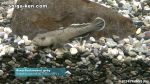
Biwa-Yoshinobori goby (ビワヨシノボリ) - Endemic species380 views
|
|
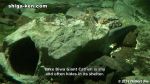
Lake Biwa Giant Catfish is shy and often hides in its shelter.375 views
|
|
Lake Biwa Museum has a world-class freshwater aquarium showing Lake Biwa's endemic species and more. Open 9:30 am - 5 pm, closed Mon. and the day after a national holiday. Admission 600 yen for adults.373 viewsIt shows Lake Biwa's history, fish and wildlife, coexistence with people, and a large lake-fish aquarium. It is also a research facility with a number of researchers and curators.
|
|
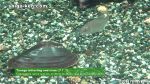
Tanago bitterling and clam (タナゴ) - Endangered native species, endemic to Japan, lays eggs in living clams.371 views
|
|

Museum restaurant serves lake fish.370 views
|
|
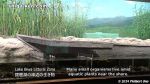
Lake Biwa Littoral Zone 琵琶湖の岸辺の生き物 - Many small organisms live amid aquatic plants near the shore.369 views
|
|
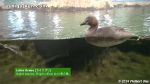
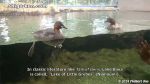
Water Birds 水辺の鳥 Little Grebe (カイツブリ) - Native species, Shiga's official bird (県の鳥).368 viewsIn classic literature like Tale of Genji, Lake Biwa is called, "Lake of Little Grebes" (Nionoumi).
|
|
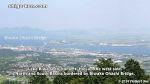
View from Mt. Hiei Driveway.365 views
|
|
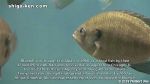
Bluegill was brought to Japan in 1960 as a food fish by then Crown Prince Akihito who received it as a gift from Chicago, IL. 363 viewsIn 1963, the Fisheries Agency sent bluegill to Lake Biwa. Ten years later, bluegill had spread all over the lake. In 2007 in Shiga, Emperor Akihito expressed regret over bringing the bluegill.
|
|
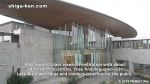
The photos in this album are video stills taken from my Lake Biwa Museum video. 361 views
|
|
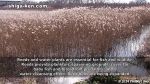
Reeds are essential354 views
|
|
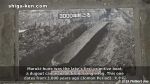
Maruki-bune was the lake's first primitive boat, a dugout canoe made from a single log. This one dates from 3,000 years ago (Jomon Period). 丸木船354 views
|
|
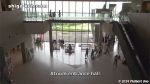
Entrance hall atrium349 views
|
|
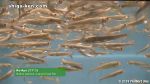
Ko-Ayu (コアユ) Native species, popular food fish. Ko-ayu is the small variety of ayu (not baby ayu) commonly eaten as tsukudani (佃煮) or tempura. Adult ko-ayu retain their small size.349 views
|
|
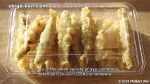
Tempura ko-ayu sweetfish do not grow as large as the ayu sweetfish which grow big in rivers. Ko-ayu remain in the lake and feed on plankton. Such an environment prevents them from getting larger.345 views
|
|
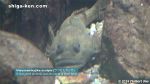
Utsusemi-kajika sculpin (ウツセミカジカ) - Endangered endemic species344 views
|
|
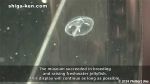
Freshwater jellyfish (マミズクラゲ) - Likely the world's longest exhibit of freshwater jellyfish (since Aug. 2, 2012). (No longer displayed in the Discovery Room).344 viewsAlthough these delicate jellyfish live all over Japan, they appear and disappear at a whim. So it's hard to catch them for a continuous exhibit.
|
|
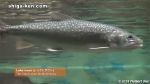
Lake trout (レイクトラウト) from The Great Lakes, North America340 views
|
|
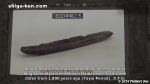
About 30 ancient maruki-bune have been found in Shiga, mainly in the Hikone-Maibara area. This one dates from 1,800 years ago (Yayoi Period). 丸木船339 views
|
|
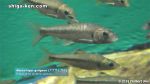
Abura-higai gudgeon (アブラヒガイ) - Endangered endemic species338 views
|
|
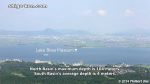
Lake Biwa's South Basin.337 views
|
|
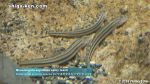
Biwa-kogata-sujishima spiny loach (ビワコガタスジシマドジョウ) - Endangered endemic species337 views
|
|
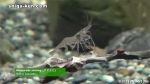
Numa-ebi shrimp (ヌマエビ), Native species336 views
|
|
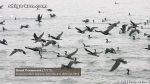
Great Cormorant (カワウ) - Invasive native species, eats fish and destroys trees.336 views
|
|
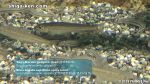
Sugo-Moroko gudgeon (スゴモロコ) - Endangered endemic species335 views
|
|
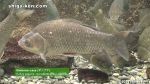
Ginbuna carp (ギンブナ) - Native species, reproduces without males.334 views
|
|
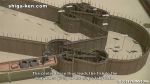
The center fence thus leads the fish to the trap holes (ツボ) in the trap's labyrinth.334 views
|
|
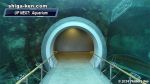
Aquarium tunnel showing rocky habitat.333 views
|
|
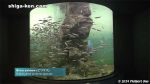
Biwa trout (ビワマス) - Endangered endemic species332 views
|
|
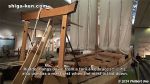
Rudder hangs down from a torii-like brace (かさ木), also used as a mast rest when the mast is laid down.332 views
|
|
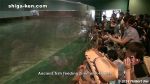
Feeding time for sturgeon.331 views
|
|
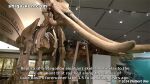
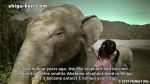
Replica of a Stegodon elephant skeleton similar to the Mie elephant that roamed along the shores of Lake Biwa's forerunner lake 3.5 to 4 million years ago.331 views
|
|
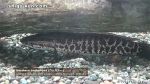
Northern snakehead (カムルチー) - Invasive species, eats aquatic insects, mollusks, and carp.330 views
|
|
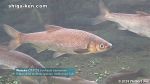
Wataka (ワタカ) Ischikauia steenackeri - Endangered endemic species, herbivorous fish.329 views
|
|
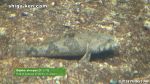
Donko sleeper (ドンコ) - Native species endemic to Japan.329 views
|
|
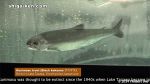
Special Exhibit: Kunimasu Trout, Once Thought Extinct (black kokanee) Read about it here.328 views[企画展示室] よみがえった魚: クニマス
Oct. 26 – November 24, 2013
Five artificially-hatched kunimasu trout, originally endemic to Lake Tazawa in Akita Prefecture, were exhibited. Kunimasu was thought to be extinct since the 1940s when Lake Tazawa became too acidic due to man-made causes. In 2010, kunimasu was rediscovered in Lake Saiko at the foot of Mt. Fuji in Yamanashi Prefecture.
Apparently, they successfully bred from eggs sent to Lake Saiko in 1935. Local fishermen knew about the fish, but did not know it was kunimasu. Sensational fish story.
Extinct in Lake Tazawa, Oncorhynchus kawamurae
|
|
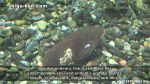
Mussel326 views
|
|
326 views
|
|
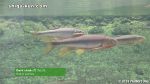
Dark chub (カワムツ) - Native species326 views
|
|
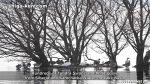
Tundra swans and bean geese winter on Lake Biwa.326 views
|
|
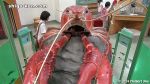
Enter the crayfish and control its claws. ザリガニになろう326 views
|
|
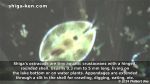
Ostracod from Lake Biwa. Dr. Robin J. Smith from the UK is the ostracod specialist at Lake Biwa Museum.326 views
|
|
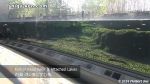
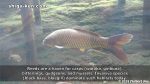
Fish in Reed Beds & Attached Lakes 内湖・ヨシ原にすむ魚 - Reeds are a haven for carps (wataka, ginbuna), bitterlings, gudgeons, and mussels. Invasive species (black bass, bluegill) dominate such habitats today.325 views
|
|
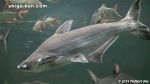
Iridescent shark (カイヤン) from Tonlé Sap Lake, Cambodia.323 views
|
|
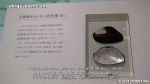
Endemic mussel used to produce Biwa pearls, now extinct.323 views
|
|
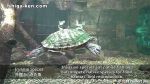
Invasive Species 外国からきた魚 - The aquarium has a number of tanks showing invasive species like this Red-eared slider/terrapin (ミシシッピアカミミガメ).322 viewsInvasive species, popular pet, outcompetes native turtles for physical space.
|
|
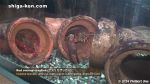
Red swamp crayfish (アメリカザリガニ) - Invasive species, destroys water plants, outcompetes others for food.322 views
|
|
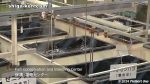
Fish Conservation and Breeding Center 保護・増殖センター - They breed endangered freshwater fish species and research breeding methods.322 views
|
|
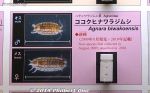
Exhibit of sow bugs in Shiga (ワラジムシ). Sow bugs are crustaceans. During the 2006-2010 survey, 22 species of sow bugs were found in Shiga. 321 viewsSeven of them were previously unknown (pink), but not necessarily endemic to Shiga.
|
|
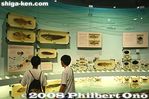
Display of endemic fish and other species found only in Lake Biwa.320 views
|
|
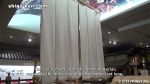
The sail is made of thick cotton material, replacing the old straw mat that didn't last long.319 views
|
|
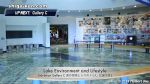
Lake Environment and Lifestyle - Exhibition Gallery C 湖の環境と人々のくらし (C展示室)319 views
|
|
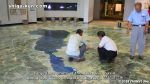
Gallery C - Large floor photo of the Lake Biwa basin. About 120 rivers flow into Lake Biwa. 琵琶湖盆地319 views
|
|
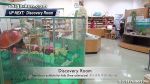
Discovery Room - Hands-on exhibits for kids (free admission) ディスカバリールーム317 views
|
|
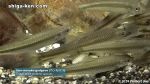
Hon-moroko (honmoroko) gudgeon (ホンモロコ) - Endangered endemic species, but it has been recovering in numbers during the 2020s.315 views
|
|
315 views
|
|
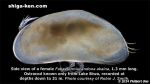
Side view of a female, Fabaeformiscandona akaina, 1.3 mm long. Ostracod known only from Lake Biwa, recorded at depths down to 31 m. Photo courtesy of Robin J. Smith.315 views
|
|
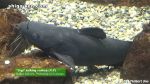
"Gigi" talking catfish (ギギ) Pelteobagrus nudiceps - Native species314 views
|
|
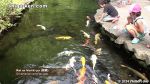
Koi or Nishiki-goi (錦鯉) - Ornamental common carp.314 views
|
|

From 2006 to 2010, Dr. Grygier supervised the museum's comprehensive project: Exploration of the Biological Diversity of Lake Biwa and its Watershed: Taxonomy and Morphology- & Molecule-based Phylogeny314 views
|
|
Dr. Yasushi Kusuoka, curator 楠岡 泰 Biotic and Human Interaction Research313 views
|
|
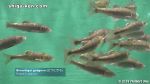
Biwa-higai gudgeon (ビワヒガイ) - Endemic species312 views
|
|
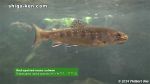
Red-spotted masu salmon - Endangered native species (サツキマス・アマゴ)312 views
|
|
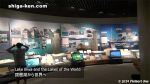
Lake Biwa and the Lakes of the World312 views
|
|
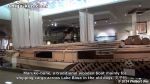
Maruko-bune, a traditional wooden boat mainly for shipping cargo across Lake Biwa in the old days. 丸子船312 views
|
|
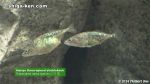
Hariyo three-spined stickleback - Endangered native species (ハリヨ)311 views
|
|
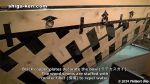
Black copper plates decorate the bow (ダテカスガイ). The wood seams are stuffed with conifer fiber (槙縄) to repel water.310 views
|
|
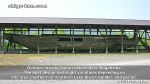
310 views
|
|
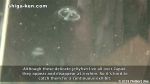
They grow from polyps and feed on plankton for a 6-month lifespan. They like non-filtered and non-circulating water. The museum succeeded in breeding and raising freshwater jellyfish. This display will continue as long as possible.310 views
|
|
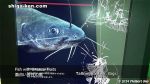
Fish with Unusual Traits 面白い習性の魚 - Gigi talking catfish.309 views
|
|
309 views
|
|
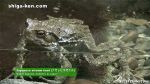
Japanese stream toad (ナガレヒキガエル) - Native species, endemic to Japan.308 views
|
|
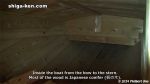
Most of the wood is Japanese conifer (槇の木). 308 views
|
|
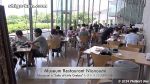
Museum restaurant308 views
|
|
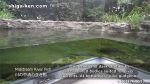
Midstream River Fish 川の中流の生き物 - Pale chub and dark chub with streamlined bodies suited for river currents. At bottom are pike gudgeon.307 views
|
|
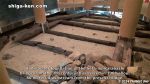
Underwater foundation of the Seta-no-Karahashi Bridge from the 7th century. Discovered in 1988 about 80 meters downstream from the present bridge.307 views
|
|
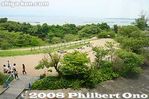
Area in front of Lake Biwa Museum.306 views
|
|
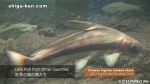
Lake Fish from Other Countries 世界の湖の魚たち - Chinese high fin banded shark (エンツュイ) from Lake Dongting, China.306 views
|
|
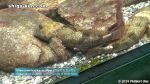
Utsusemi-kajika sculpin (ウツセミカジカ) - Endangered endemic species305 views
|
|
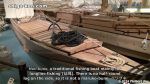
Hari-bune, a traditional fishing boat mainly for longline fishing (延縄). There is no half-round log on the side, so it is not a maruko-bune. ハリブネ305 views
|
|

Dr. Mark J. Grygier, Ph.D Biotic and Human Interaction Research305 views
|
|
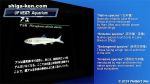
Definitions of endemic, native, endangered, and invasive species.304 viewsNative species (在来種)
Naturally inhabits Lake Biwa or Shiga and not introduced by man. May also inhabit places outside Shiga.
Endemic species (固有種・亜種)
Native species found only in Lake Biwa or Shiga.
Endangered species (絶滅危惧種)
Those facing a high risk of extinction in the wild.
Invasive species (侵略的外来種)
Introduced by man and harms the native species, environment, and local ecosystem.
|
|
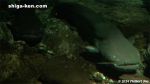
On another day, we were able to see the two Lake Biwa Giant Catfish out in the open. It is nocturnal, and this tank simulates night time while the aquarium is open during the day. The lake's largest endemic species and Japan's largest catfish. ã304 views
|
|
304 views
|
|
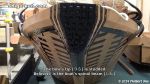
The bow's tip is studded.304 views
|
|
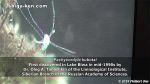
Pachycordyle kubotai - First discovered in Lake Biwa in mid-1990s by Dr. Oleg A. Timoshkin of the Limnological Institute, Siberian Branch of the Russian Academy of Sciences.304 views
|
|
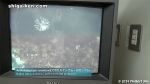
In the museum lab, Dr. Kusuoka shows a new ciliate species he and a Chinese colleague discovered in Lake Biwa, named Apocarchesium rosettum (アポカルケシウム・ロゼッタム)303 views
|
|
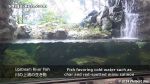
Upstream River Fish 川の上流の生き物 - Fish favoring cold water such as char and red-spotted masu salmon.302 views
|
|
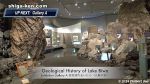
Geological History of Lake Biwa - Exhibition Gallery A 琵琶湖のおいたち(A展示室)302 views
|
|
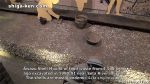
The shells are mostly endemic Seta shijimi clams.302 views
|
|
302 views
|
|
301 views
|
|
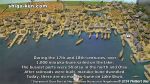
During the 17th and 18th-centuries, over 1,000 maruko-bune sailed on the lake. The busiest ports were Shiotsu in the north and Otsu. After railroads were built, maruko-bune dwindled.301 viewsToday, there are no maruko-bune on Lake Biwa.
*Diorama of Oura Port at Maruko-bune Museum in Nagahama.
|
|
People and Lake Biwa - Exhibition Gallery B 人と琵琶湖の歴史(B展示室)300 views
|
|
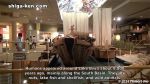
Humans appeared around Lake Biwa about 9,000 years ago, mainly along the South Basin. They ate nuts, lake fish and shellfish, and wild animals.300 views
|
|
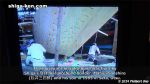
The museum's maruko-bune was built by Shiga's last maruko-bune builder, Matsui Sanshiro (松井三四郎) and his son in 1995 in Seta, Otsu.299 views
|
|

Library - Reading room and kids books (free admission) 図書室299 views
|
|

Take a bus from JR Kusatsu Station. Admission 750 yen for adults. MAP298 views
|
|
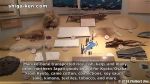
Maruko-bune transported rice, fish, kelp, and many other northern Japan goods bound for Kyoto/Osaka. From Kyoto, came cotton, confections, soy sauce, sake, kimono, textiles, tobacco, and more.298 views
|
|
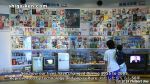
See how our lives have changed during 1955 to 2005. Represented by technology and pop culture. わたしたちくらし50年298 views
|
|
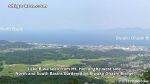
Lake Biwa's North Basin.297 views
|
|
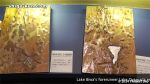
Lake Biwa's forerunner Lake Oyamada emerged about 4 million years ago southeast of Shiga in Iga, Mie Prefecture. Over millions of years, at least two lakes formed and disappeared before Lake Katata (western Otsu) formed.296 views
|
|
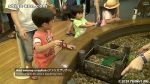
295 views
|
|
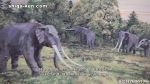
Mie elephants once roamed this area.293 views
|
|
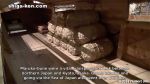
Maruko-bune were a vital transportation link between northern Japan and Kyoto/Osaka. Goods coming and going via the Sea of Japan also went over the lake.293 views
|
|
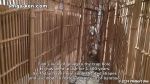
Fish's view of going to the trap hole. Eri has been in use for 1,500 years. Eri today have more sophisticated shapes and use modern materials instead of bamboo.293 views
|
|
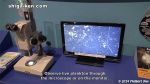
Observe live plankton through the microscope or on the monitor. A high concentration of plankton is obtained from a net thrown 10 meters into Lake Biwa.293 views
|
|
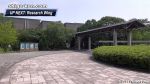
Research wing of Lake Biwa Museum293 views
|
|
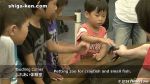
Touching Corner ふれあい体験室 - Petting zoo for crayfish and small fish.292 views
|
|
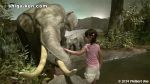
Two million years ago, the Mie elephant had become extinct and this smaller Akebono elephant lived in Shiga until it became extinct 1 million years ago. Mie elephants roamed a subtropical lake land 3 to 4 million years ago.292 views
|
|
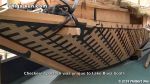
Checkered pattern was unique to Lake Biwa boats.292 views
|
|
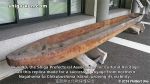
Maruki-bune replica displayed at the Azuchi Castle Archaeological Museum in Omi-Hachiman. 滋賀県立安土城考古博物館292 viewsIn 1990, the Shiga Prefectural Association for Cultural Heritage had this replica made for a successful voyage from northern Nagahama to Chikubushima island, proving its viability.
|
|
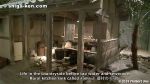
Life in the countryside before tap water and sewerage. Rural kitchen sink called kawaya. 農村のくらし292 views
|
|
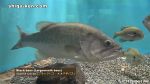
Black bass (Largemouth bass) are the worst invasive species in Lake Biwa. (ブラックバス・オオクチバス)291 views
|
|
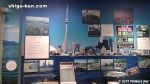
USA (Great Lakes)291 views
|
|
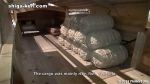
The cargo was mainly rice, fish, and kelp.291 views
|
|
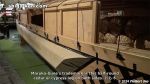
Maruko-bune's trademark is this half-round cedar or cypress log on both sides. おも木291 views
|
|
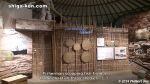
Fisherman scooping fish from a traditional fish trap called eri. エリ291 views
|
|
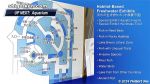
Lake Biwa Museum's freshwater aquarium displays fish species endemic to Lake Biwa, found no where else.290 views
|
|
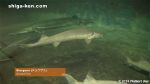
Sturgeon are ancient fish290 views
|
|
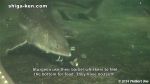
Sturgeon feeding290 views
|
|
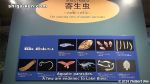
Aquatic parasites. A few are endemic to Lake Biwa.290 views
|
|
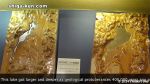
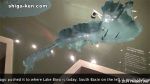
This lake got larger and deeper as geological protuberances 400,000 years ago pushed it to where Lake Biwa is today. South Basin on the left is much shallower than the North Basin.288 views
|
|

288 views
|
|
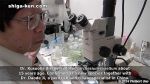
288 views
|
|
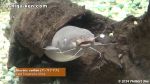
Electric catfish (デンキナマズ) from Lake Tanganyika, Africa287 views
|
|
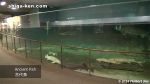
Sturgeon is also famous for caviar.287 views
|
|
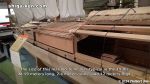
At 19 meters long, 2.4 meters wide, and 12 meters high.287 views
|
|
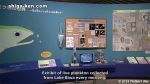
Exhibit of live plankton collected from Lake Biwa every morning.287 views
|
|
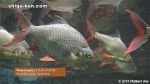
Tinfoil barb (シルバーバルブ) from Tonlé Sap Lake, Cambodia285 views
|
|
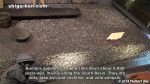
Awazu Shell Mound of food waste from 4,500 years ago excavated in 1990-91 near Seta River. 粟津貝塚285 views
|
|

My comprehensive video about Lake Biwa's endemic species and invasive species displayed at the Lake Biwa Museum's freshwater aquarium.284 views
|
|
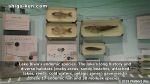
Lake Biwa's endemic species. The lake's long history and diverse habitats (rocky areas, sandy beaches, attached lakes, reeds, cold waters, pelagic zones) gave rise to these 17 endemic fish and 30 mollusk species.284 views
|
|
284 views
|
|
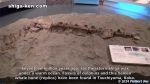
Seventeen million years ago, southeastern Shiga was under a warm ocean. Fossils of dolphins and this baleen whale bone (replica) have been found in Tsuchiyama, Koka.282 views
|
|
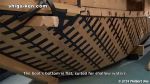
The boat's bottom is flat, suited for shallow waters. 282 views
|
|
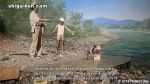
Riverside forests in Shiga are now rare due to development. They were a wildlife haven. The bamboo was also useful. 川岸林280 views
|
|
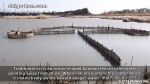
Traditional eri is an arrow-shaped bamboo fence in the water pointing away from shore. When fish encounters the center fence, it instinctively swims toward deeper water. 早崎内湖ビオトープ280 views
|
|
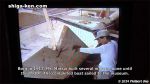
Born in 1913, Mr. Matsui built several maruko-bune until the 1930s. The completed boat sailed to the museum.277 views
|
|
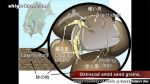
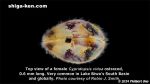
Shiga's ostracods are tiny aquatic crustaceans with a hinged, rounded shell. Usually 0.3 mm to 5 mm long, living on the lake bottom or on water plants. Appendages are extended through a slit in the shell for crawling, digging, eating, etc.276 views
|
|
Other exhibition rooms274 views
|
|
272 views
|
|
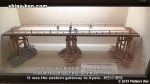
Seta-no-Karahashi Bridge on the old Tokaido Road over the Seta River in Otsu. It was the eastern gateway to Kyoto. 瀬田の唐橋272 views
|
|
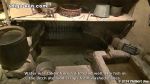
Water was taken from a ditch and well. The fish in the ditch ate food scraps from washed dishes.265 views
|
|
|
|
|
|
