Most viewed - Nishi-Azai: Maruko-bune Museum, Sugaura, Oku Biwako Parkway 丸子船・菅浦・奥琵琶湖パークウェイ・西浅井町 Most viewed - Nishi-Azai: Maruko-bune Museum, Sugaura, Oku Biwako Parkway 丸子船・菅浦・奥琵琶湖パークウェイ・西浅井町 |
527 views
|
|
Omi-Shiotsu Station JR近江塩津駅365 views
|
|
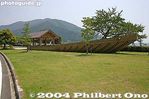
Sugaura is a small settlement in Nishi-Azai along the northern shore of Lake Biwa. It is a quiet and scenic area with a nice lakeshore road and trail almost to the tip of the peninsula. Akasaki Maruko-bune park355 views赤崎丸子船
|
|

Maruko-bune Museum (Maruko-bune no Yakata). The maruko-bune was commonly used to transport cargo over the lake from the Hokuriku region to the Kyoto-Osaka region during the 17th and 18th c. MAP327 viewsThe museum is a short bicycle ride from Nagahara Station (JR Kosei Line). 滋賀県西浅井町大浦582 丸子船の館
|
|
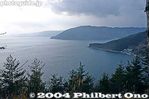
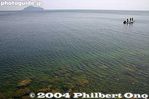
View from Oku Biwako Parkway323 views
|
|
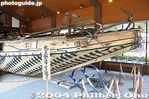
Maruko-bune wooden boat which was a common sight on Lake Biwa in the old days before trains came to fore. Near this area was a major maruko-bune port called Oura.318 views
|
|
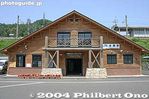
Nagahara Station on the JR Kosei Line. A nice, loghouse station building. JR湖西線、永原駅313 views
|
|
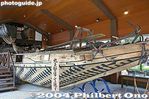
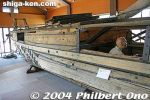
Maruko-bune, a traditional wooden boat mainly for shipping cargo across Lake Biwa in the old days. This used maruko-bune was donated by a local resident. 丸子船307 views
|
|
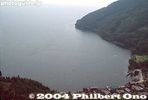
305 views
|
|
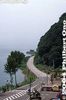
One entrance to Oku Biwako Parkway is at Sugaura. It's not a toll road. The most trying part of bicycling around Lake Biwa. MAP302 views
|
|
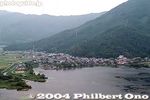
298 views
|
|
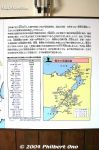
Maruko-bune transported rice, fish, kelp, and many other northern Japan goods bound for Kyoto/Osaka. From Kyoto, came cotton, confections, soy sauce, sake, kimono, textiles, tobacco, and more.298 views
|
|
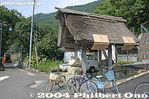
Thatched-roof gate, called Shisokumon 四足門, on the east end used to monitor outsiders entering the village.297 views
|
|
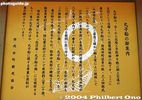
The big maruko-bune boat (17 meters long) was donated by a native of Nishi-Azai. It could hold 13 tons of cargo.295 views
|
|

293 views
|
|
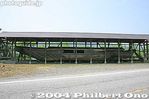
Large maruko-bune displayed outdoors, without a mast.291 views
|
|
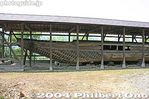
The wooden maruko-bune boat was a common sight on Lake Biwa before railroads were built. They were mainly used for shipping cargo between Kyoto and the northern region of Fukui, Kanazawa, etc.288 views
|
|
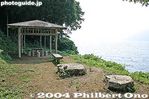
Scenic point at end of trail288 views
|
|

286 views
|
|
Scenic point at end of trail. Notice the hut.286 views
|
|

The bow's tip is studded.285 views
|
|
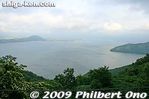
View from Oku Biwako Parkway284 views
|
|
|
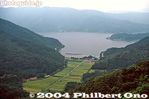
283 views
|
|
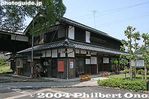
Adjacent museum called Oura Furusato Shiryokan. A museum of local artifacts and knicknacks.282 views
|
|
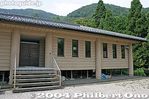
Sugaura Local History Museum 菅浦郷土史料館. Contains historical documents related to the town. But it was closed when I went.279 views
|
|
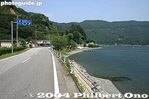
277 views
|
|
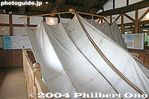
The sail is made of thick cotton material, replacing the old straw mat that didn't last long.276 views
|
|
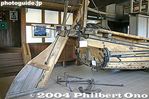
Maruko-bune were a vital transportation link between northern Japan and Kyoto/Osaka. Goods coming and going via the Sea of Japan also went over the lake.275 views
|
|
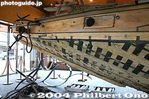
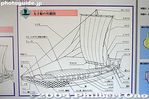
Black copper plates decorate the bow (ダテカスガイ). This checkered pattern was unique to Lake Biwa boats. The wood seams are stuffed with conifer fiber (槙縄) to repel water.275 views
|
|
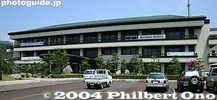
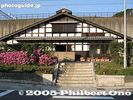
Nagahama City Hall, Nishi-Azai Branch. An incredibly large and beautiful town hall for a small town (Later merged with Nagahama.)274 views
|
|
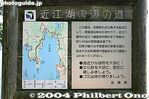
274 views
|
|
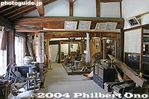
Adjacent museum showing things from Oura.271 views
|
|
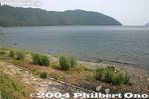
269 views
|
|
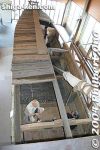
Top view with roof partially removed for viewing.268 views
|
|
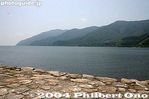
Bicycling to Sugaura.267 views
|
|

Diorama of Oura Port. MAP266 views
|
|
265 views
|
|
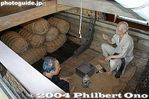
Maruko-bune crew.262 views
|
|

Rudder hangs down from a torii-like brace (かさ木), also used as a mast rest when the mast is laid down. Most of the wood is Japanese conifer (槇の木).261 views
|
|
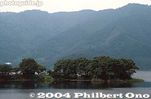
261 views
|
|
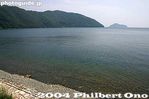
Chikubushima island in the distance261 views
|
|
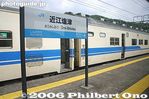
Omi-Shiotsu Station platform JR近江塩津駅259 views
|
|
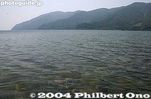
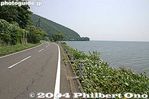
Some scenery from the road between Nagahara and Sugaura.257 views
|
|
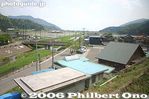
Nagahara Station257 views
|
|
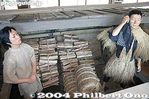
Maruko-bune boat hands.256 views
|
|
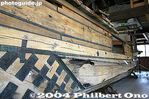
Maruko-bune's trademark is this half-round cedar or cypress log on both sides. おも木256 views
|
|
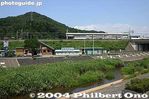
Nagahara Station in the distance.254 views
|
|
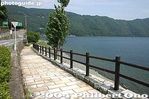
Going down to the lake shore of Sugaura.254 views
|
|
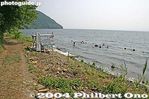
Swimming area254 views
|
|
253 views
|
|

Large wooden paddle of a maruko-bune boat. The boat also had a sail. The boat had a round log on both sides.253 views
|
|
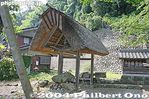
Thatched-roof gate, called Shisokumon 四足門, on the west end used to monitor outsiders entering the village. Another one is at the east end. MAP253 views
|
|

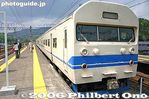
Omi-Shiotsu Station with an old 111-series JR train.252 views
|
|
251 views
|
|
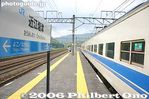
Omi-Shiotsu Station and old trains251 views
|
|
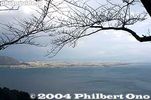
250 views
|
|
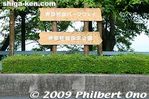
At the top of the Oku Biwako Parkway road is a lookout point.250 views
|
|
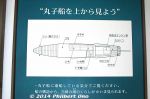
Top view of maruko-bune.250 views
|
|
Tickets please249 views
|
|
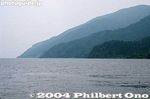
Sugaura is one of the best areas of northern Shiga and northern Lake Biwa. Quiet, clean, and scenic.249 views
|
|

249 views
|
|

Maruko-bune exhibits.248 views
|
|
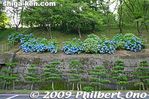
Hydrangeas248 views
|
|
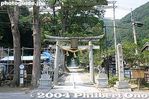
Suga Shrine, dedicated to Sugaura's patron god. The shrine also has a connection with Emperor Junnin (733-765). 淳仁天皇. 須賀神社247 views須賀神社
|
|
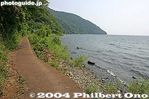
Beyond the east end of Sugaura (beyond the east thatched-roof gate) is a scenic walking trail along the peninsula's shore.247 viewsAfter you pass through the town, there is a hiking/bicycle trail along the peninsula.
|
|
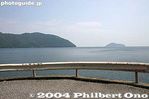
246 views
|
|

Trail going up the mountain.246 views
|
|
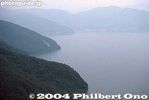
246 views
|
|
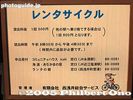
Bicycle rental sign. Most stations along Lake Biwa offer bicycles for rental.244 views
|
|
244 views
|
|
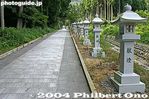
Way to Suga Shrine. Emperor Junnin supposedly once lived in this area in secret.243 views
|
|
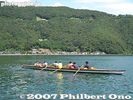
They row in a fixed-seat, wooden boat based on a traditional design circa 1917. Off Sugaura. Oku Biwako Parkway Road going up the mountain.242 views
|
|
241 views
|
|
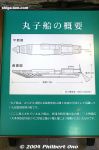
This maruko-bune is 17.2 meters long.240 views
|
|
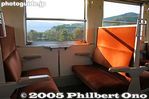
Old Hokuriku Line train239 views
|
|
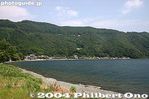
Sugaura is a length-wise town hugging the shore of the lake.239 views
|
|
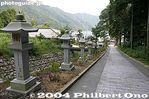
Suga Shrine239 views
|
|
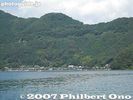
Sugaura as seen from Lake Biwa. The Oku Biwako Parkway Road can be seen going up the mountain.239 views
|
|
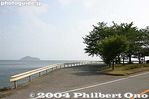
Lookout point, Chikubushima island in the distance238 views
|
|
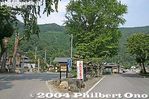
Entrance to Sugaura, a quaint lakeshore village on a peninsula. It is will be designated as an Important Cultural Landscape. A pleasant trail goes along the lakeshore trail.238 views
|
|
238 views
|
|
237 views
|
|

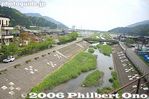
Looking at Sugaura in Nishi-Azai.236 views
|
|
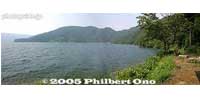
Panorama at end of trail234 views
|
|
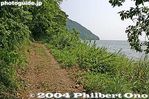
Trail goes further.233 views
|
|
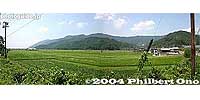
Near Nagahara Station231 views
|
|

231 views
|
|
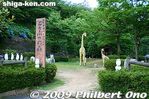
231 views
|
|
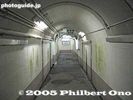
Omi-Shiotsu Station corridor to the tracks upstairs.230 views
|
|
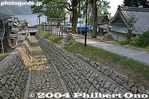
230 views
|
|
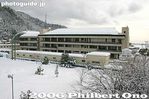
Nishi Azai-cho Town Hall in winter230 views
|
|
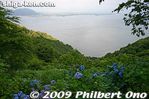
A few pretty good views from the top.230 views
|
|
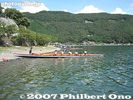
Imazu Junior High School rowers on the shore of Sugaura. They row across the lake between Imazu and Nagahama every summer.229 views
|
|
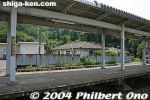
Omi-Shiotsu Station platform.229 views
|
|
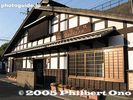
Omi-Shiotsu Station228 views
|
|
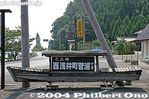
The maruko-bune boat is a symbol of Nishi-Azai town which is now part of the city of Nagahama.228 views
|
|

227 views
|
|
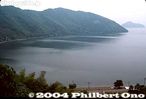
But the views can be marvelous. There is an alternate and less strenuous bicycling route behind the mountains, but there's no scenery like this.224 views
|
|
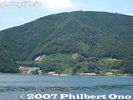
Sugaura as seen from Lake Biwa.221 views
|
|
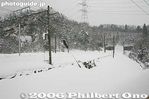
Tunnels219 views
|
|
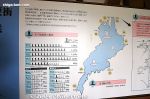
During the 17th and 18th-centuries, over 1,000 maruko-bune sailed on the lake. The busiest ports were Shiotsu in the north and Otsu. After railroads were built, maruko-bune dwindled. Today, there are no maruko-bune on Lake Biwa.219 views
|
|
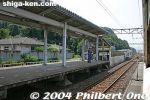
Omi-Shiotsu Station platform.218 views
|
|
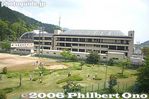
Nishi Azai-cho Town Hall217 views
|
|
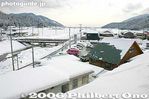
Nagahara Station in winter215 views
|
|
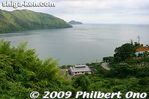
214 views
|
|
|
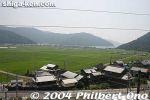
211 views
|
|
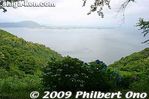
210 views
|
|
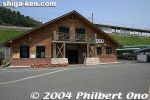
Nagahara Station on the JR Kosei Line.210 views
|
|
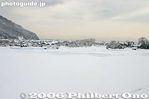
206 views
|
|

206 views
|
|
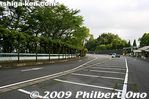
There's a large parking lot at the top.204 views
|
|
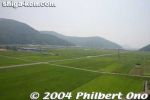
Nishi-Azai scenery from the train toward Nagahara Station.198 views
|
|
|
|
|
|