 Most viewed - Hyogo Park of the Oriental White Stork 兵庫県立コウノトリの郷公園 Most viewed - Hyogo Park of the Oriental White Stork 兵庫県立コウノトリの郷公園 |

When you arrive JR Toyooka Station, you will soon notice that the Oriental white stork ("kounotori" in Japanese) is the symbol of the city. Even the roof looks like a soaring bird. 768 views
|
|
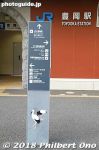
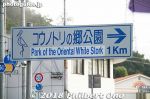
Directional sign at JR Toyooka Station.532 views
|
|

Vending machine with Oriental white stork design motif at JR Toyooka Station.523 views
|
|
435 views
|
|
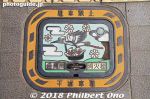
Oriental White Stork manhole in Toyooka, Hyogo Prefecture.417 views
|
|
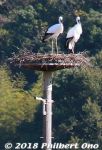
Two Oriental white storks on a nesting platform. Each nesting platform has a video camera monitoring it 24/7 especially during the egg-laying and hatching season in spring.416 viewsThe park is likely crowded during this time until the babies leave the nest in June/July.
|
|

Oriental White Stork manhole in Toyooka, Hyogo Prefecture.406 views
|
|

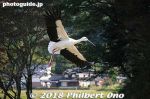
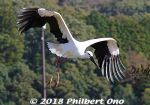
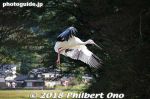
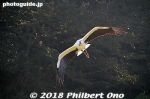
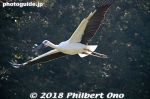
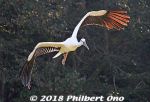
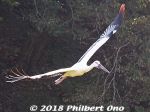
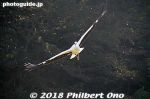
The Oriental white stork is a big, beautiful bird often mistaken as the Japanese crane. Wingspan is 2 meters.403 views
|
|
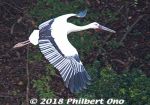
I didn't expect to see the storks flying around, so I was thrilled when a few of them flew overhead while I was in the park. They flew in during feeding time.379 views
|
|
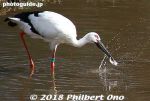
Oriental white stork eating a fish.379 views
|
|
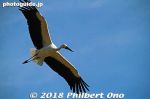
Toyooka was where the last living Oriental white stork in Japan died in 1986. Pesticides in rice paddies (where they feed) and other environmental problems caused their demise.373 views
|
|

362 views
|
|
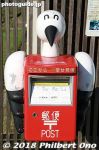
White stork mail box at Oriental White Stork Park in Toyooka, Hyogo.358 views
|
|

Park's website: http://www.stork.u-hyogo.ac.jp/en/355 views
|
|

Feeding time for the storks also attracts unwanted birds like black kites. They swoop in and steal a fish, then don't come back.352 views
|
|

Airline with a plane donning an Oriental White Stork motif.351 views
|
|

White stork landing in the paddy during feeding time.348 views
|
|
337 views
|
|

Grey herons also drop by, but they are always fighting each other.335 views
|
|

The Oriental white stork has black and white wings and a black bill.332 views
|
|
329 views
|
|
328 views
|
|

Confection shaped like stork eggs.322 views
|
|

Love Toyooka's bag bus.319 views
|
|
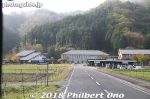
Hyogo Park of the Oriental White Stork has a few buildings amid large rice paddies and mountains.318 views
|
|

Large biotope used as a stork sanctuary and research facility.317 views
|
|
315 views
|
|

Toyooka Oriental White Stork Culture Center's open cage for Oriental white storks. It includes paddies used for feeding. The cage is "open" because it only hasa fence and no roof.313 views
|
|

Kounotori can also mean "bird bringing happiness." Sculpture related to the bird of happiness. Makes people happy especially when the stork delivers your baby.312 views
|
|

Rice paddy has a high nesting platform. The nest still intact.305 views
|
|

301 views
|
|
300 views
|
|
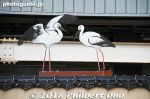
Oriental white stork decoration at JR Toyooka Station. To see real, living Oriental white storks, you have to visit the Hyogo Park of the Oriental White Stork Park.291 views
|
|

Huge rice paddy within Hyogo Park of the Oriental White Stork.291 views
|
|

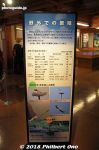
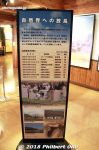
Exhibits.291 views
|
|
290 views
|
|
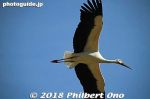
In 1985, six wild Oriental white stork chicks from the USSR (Khabarovsk) were acquired to be raised in Toyooka. From 1989, the birds from Russia started to breed successfully in captivity in Toyooka every year. 289 views
|
|
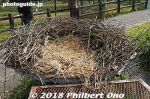
Oriental white stork nests are large, about 2 meters diameter, made of tree branches and straw.288 views
|
|
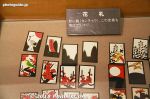
The hanafuda card with the "crane" is actually an Oriental white stork. It actually looks like a cross between the two birds...285 views
|
|

The building in the middle is the University of Hyogo Graduate School of Regional Resource Management.276 views
|
|
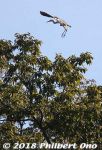
276 views
|
|

The storks are carnivores, feeding on fish, frogs, snakes, rabbits, mice, etc. 275 views
|
|

Screening room.270 views
|
|
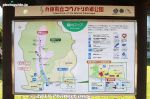
Part of the park is a large biotope used as a stork sanctuary and research facility. Only part of it is open to the public.267 views
|
|
264 views
|
|

264 views
|
|
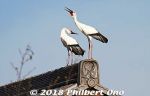
They make a loud clacking noise with their bills.263 views
|
|

Landing on a nesting platform.263 views
|
|

Gift shops in this building next to the parking lot.262 views
|
|

They are throwing small dead fish into the paddies. 261 views
|
|
261 views
|
|
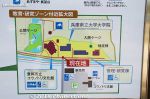
Basic map of Hyogo Park of the Oriental White Stork. Only one building on the left is open to the public.260 views
|
|

Toyooka Oriental White Stork Culture Center's open cage for Oriental white storks. There are about nine storks in the open cage. Their wings have been clipped to they cannot fly. 260 views
|
|
260 views
|
|

Around 9:30 am to 10 am, they feed the storks. This is the best time to visit the park. And the best chances of seeing storks flying around.257 views
|
|

On the right is the park's administrative building.256 views
|
|
250 views
|
|

249 views
|
|

Spider web.248 views
|
|
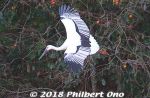
From 2005, the park started releasing Oriental white storks into the wild in Toyooka, which was a great celebration. The birds then started to breed and reproduce in the wild.248 viewsThey've been releasing only a few birds (fewer than 5) almost every year.
|
|

The bus going to Hyogo Park of the Oriental White Stork Park is designed like a bag to promote Toyooka as a bag-producing city.247 views
|
|

247 views
|
|
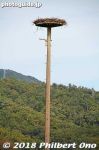
Nesting platform.246 views
|
|
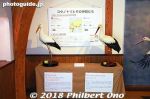
Back inside the Oriental White Stork Culture Center. On the left is the European white stork with a red bill, on the right is the Oriental white stork with a black bill. Very similar.245 views
|
|
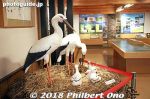
244 views
|
|
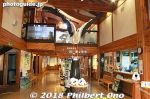
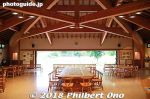
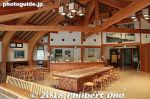
Inside the Oriental White Stork Culture Center. Walk through this building to the other side of the building to see the open cage.243 views
|
|

Once found all over Japan, the Oriental white stork ("kounotori" in Japanese) became extinct in the wild in Japan in 1971 despite preservation efforts since 1955.243 views
|
|
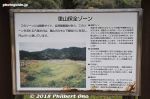
About the biotope.243 views
|
|

Gate to Hyogo Park of the Oriental White Stork. Open: 9:00 am–5:00 pm, closed Mondays (open if a national holiday and closed the next day instead), December 28th–January 4th.242 views
|
|
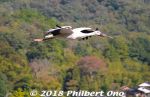
As of Oct. 2018, Japan has over 140 Oriental white storks in the wild. They are also successfully breeding in Tokushima, Shimane, and Kyoto Prefectures. 239 viewsIt's still an endangered species, with only slightly over 2,000 of them in the Far East.
|
|
239 views
|
|
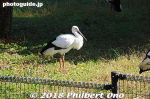
So if you go to Hyogo Park of the Oriental White Stork, you can see real Oriental white storks.237 views
|
|

Storks swallow the fish whole.237 views
|
|

Crows also drop by.235 views
|
|
233 views
|
|
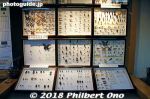
Even insects.233 views
|
|

From JR Toyooka Station, there are buses that go to Hyogo Park of the Oriental White Stork Park. However, they run only once or twice an hour. Bus schedule under the purple column.229 views
|
|
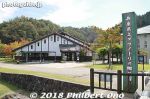
On the left is the Toyooka Kounotori Bunkakan or Oriental White Stork Culture Center.227 views
|
|
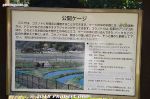
About the Oriental white stork open cage.227 views
|
|
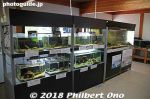
Aquariums with fish.227 views
|
|
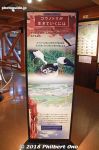
225 views
|
|
|
|
|
|
|
