Last additions Last additions |
Jun 27, 2008
|
|
Jun 27, 2008
|
|

Jun 27, 2008
|
|

Jun 27, 2008
|
|
Jun 27, 2008
|
|
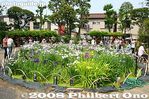
All the iris patches are numbered.Jun 27, 2008
|
|
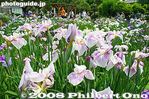
Jun 27, 2008
|
|
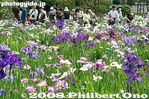
Horikiri Iris Garden, Katsushika, TokyoJun 27, 2008
|
|
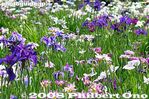
Jun 27, 2008
|
|
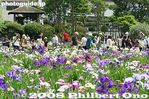
Quite a crowd.Jun 27, 2008
|
|
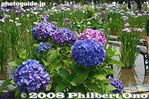
Horikiri has been famous for irises for centuries. Some hydrangea also in bloom.Jun 27, 2008
|
|
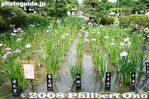
There are little signs indicating the iris species. The non-scientific names are quite pretty. The irises are grown in numerous separate patches which are all number. The garden area is about 7,700 sq. meters.Jun 27, 2008
|
|
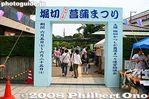
Entrance to Horikiri Iris Garden. Free admission. Next to the entrance is a table with free maps of the garden and local area. Open 9 am to 4:30 pm. Closed during the year end and New Year's period.Jun 27, 2008
|
|
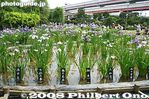
Horikiri Iris Garden has about 200 varieties of irises and 6,000 iris plants. The garden is most famous for irises in June. However, the garden also has flowering plants throughout most of the year.Jun 27, 2008
|
|

Horikiri Iris Garden paper lanternJun 27, 2008
|
|
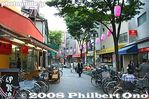
From the train station, just follow the paper lanterns.Jun 27, 2008
|
|
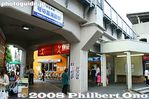
Horikiri Shobuen Station on the Keisei Line from Ueno Station. The Horikiri Iris Garden is a short walk from here.Jun 27, 2008
|
|
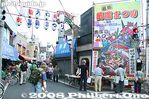
Main road to the iris garden.Jun 27, 2008
|
|
Jun 25, 2008
|
|
Jun 25, 2008
|
|

Jun 25, 2008
|
|
Jun 25, 2008
|
|
Jun 25, 2008
|
|
Jun 25, 2008
|
|
Jun 25, 2008
|
|
Jun 25, 2008
|
|
Jun 25, 2008
|
|
Jun 25, 2008
|
|
Jun 25, 2008
|
|

Jun 25, 2008
|
|
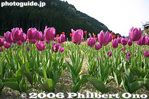
Samegai tulips, Maibara, ShigaJun 25, 2008
|
|

Jun 25, 2008
|
|
Jun 25, 2008
|
|
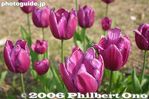
Jun 25, 2008
|
|
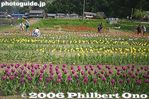
Jun 25, 2008
|
|
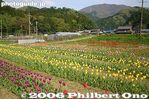
Jun 25, 2008
|
|
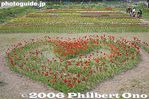
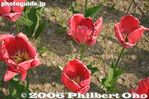
Heart of tulipsJun 25, 2008
|
|
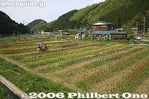
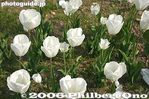
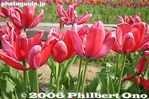
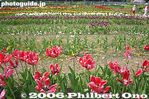
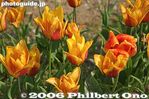
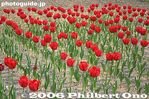
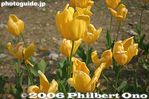
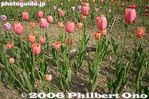
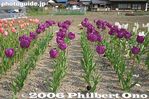
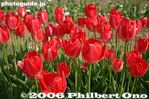
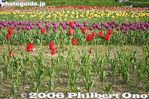
About 15,000 tulips (+sakura) bloom here. 上丹生チューリップ祭りJun 25, 2008
|
|
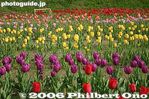
The tulips come in various colors.Jun 25, 2008
|
|
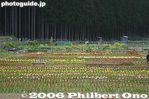
Jun 25, 2008
|
|
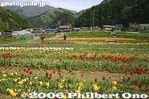
Jun 25, 2008
|
|
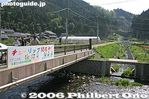
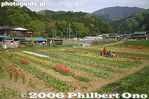
In May, a large field of tulips bloom.Jun 25, 2008
|
|
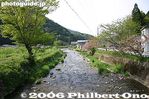
The tulip field is along the road going to the trout farm.Jun 25, 2008
|
|

Jun 25, 2008
|
|

Jun 25, 2008
|
|
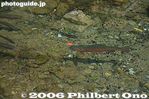
Rainbow trout must be happy to be swimming in such clean water.Jun 25, 2008
|
|
Jun 25, 2008
|
|

Jun 25, 2008
|
|
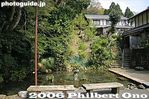
Tenjin-sui Natural Spring Park 天神水広場Jun 25, 2008
|
|
Jun 25, 2008
|
|
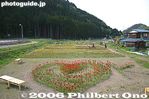
Since 2004, Kami-nyu in Samegai, Maibara grows tulips every spring for tourists. Kami-nyu Tulip Festival is also held on a Sunday with food booths and stage entertainment. Jun 25, 2008
|
|
Jun 25, 2008
|
|
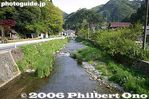
River along the way to the trout farm.Jun 25, 2008
|
|

Jun 25, 2008
|
|
|
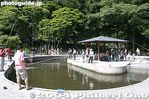
Trout fishing for a feeJun 25, 2008
|
|

Tenjin-sui Natural Spring with crystal-clear water.Jun 25, 2008
|
|
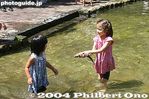
Look! I caught one!Jun 25, 2008
|
|
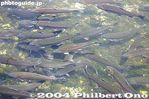
Trout at Samegai Trout Farm (Yosonjo). The water flows from the Suzuka mountains and it's quite cold which is good for the fish.Jun 25, 2008
|
|
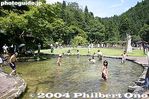
Trout-catching pond. Kids can freely catch a big trout.Jun 25, 2008
|
|
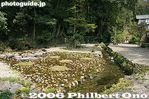
Tenjin-sui Natural Spring Park 天神水広場Jun 25, 2008
|
|
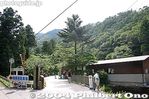
Entrance to Samegai Trout Farm (Yosonjo). Established in 1878 and operated by Shiga Prefecture, the Samegai Trout Farm is Asia's largest trout farm with many trout ponds. 醒井養鱒場From JR Samegai Station, it's a one-hour walk.Jun 25, 2008
|
|
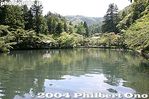
The Samegai Trout Farm raises trout species, perpetuates breeding techniques, researches trout species, and serves as a tourist attraction.Jun 25, 2008
|
|
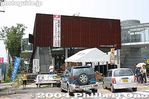
Mizunoeki rest house next to Samegai StationJun 25, 2008
|
|
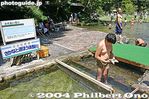
Jun 25, 2008
|
|

Samegai Station, on JR Tokaido Line 醒ケ井駅Jun 25, 2008
|
|
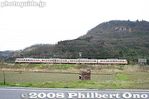
Tokaido Line train near Samegai.Jun 25, 2008
|
|
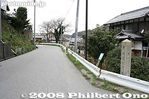
Stone marker pointing to Bamba-juku, the next post town.Jun 25, 2008
|
|
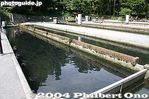
Jun 25, 2008
|
|

Jun 25, 2008
|
|
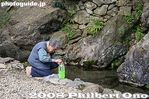
Saigyo-sui must be clean enough to drink.Jun 25, 2008
|
|
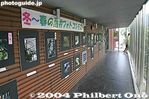
Exhibition space in Mizunoeki arcade 2nd floorJun 25, 2008
|
|
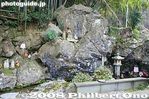
Natural spring called Saigyo-sui. 西行水Jun 25, 2008
|
|

Road marker showing the way.Jun 25, 2008
|
|
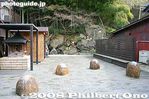
Natural spring called Saigyo-sui. 西行水Jun 25, 2008
|
|
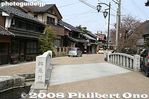
Jun 25, 2008
|
|
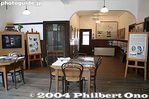
Inside post office designed by William Merrell Vories.Jun 25, 2008
|
|
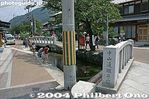
Jun 25, 2008
|
|
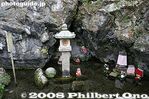
The third of Samegai's famous Three Spring Waters. This one is called Saigyo-sui, named after the famous poet. 西行水Jun 25, 2008
|
|

Samegai Museum in a former post office designed by William Merrell Vories, Samegai, Shiga Pref. 旧醒井郵便局局舎 MAPJun 25, 2008
|
|
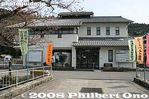
Samegai Kominkan Community CenterJun 25, 2008
|
|
Jun 25, 2008
|
|
Jun 25, 2008
|
|
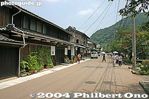
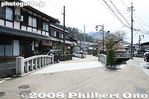
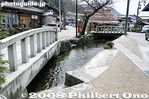
Samegai-juku and Nakasendo Road. The main part of Samegai-juku is near JR Samegai Station on the JR Tokaido Line. Short walk. 醒井宿Jun 25, 2008
|
|
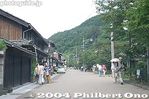
Jun 25, 2008
|
|

Monument indicating that Emperor Meiji rested here.Jun 25, 2008
|
|

Apparently someone released a similar species called itoyo into the river and they crossbred. Researchers found the hybrid fish, but no pure-breed hariyo. This has come as a shock to the locals. Hariyo is on Japan's endangered list.Jun 25, 2008
|
|

Jizogawa River was also noted for a freshwater fish called hariyo or stickleback. However, researchers have found that the hariyo seems to have become extinct here by May 2010.Jun 25, 2008
|
|
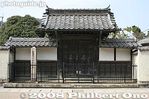
Emperor Meiji rested here.Jun 25, 2008
|
|
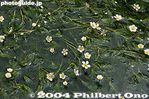
Underwater baikamo flowers Jizogawa River, Samegai, Shiga Pref. Bloom in summer, only in very clean water. 梅花藻、バイカモJun 25, 2008
|
|
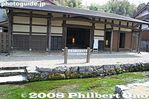
Samegai Museum in a former toiya-ba. 米原市醒井宿資料館 醒井宿問屋場(旧川口家住宅)Jun 25, 2008
|
|
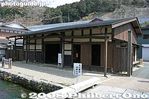
Jun 25, 2008
|
|

Fire hoseJun 25, 2008
|
|

Underwater baikamo flowers Jizogawa River, Samegai, Shiga Pref. 梅花藻、バイカモ MAPJun 25, 2008
|
|

Site of Honjin lodge. 本陣跡Jun 25, 2008
|
|
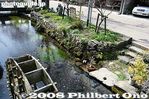
Crystal-clear Jizogawa River 地蔵川Jun 25, 2008
|
|

Jun 25, 2008
|
|
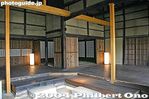
Inside the former toiya-ba.Jun 25, 2008
|
|
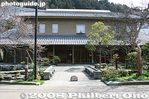
Samegai Wooden Sculpture Museum, open only on weekends and national holidays. Closed in winter. 醒井木彫美術館Jun 25, 2008
|
|
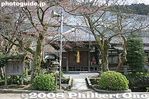
Jizo-do temple houses a Jizo statue. Originally built by the Ogaki Castle lord Ishikawa Hyuga 石川日向守 in the Edo Period after he recovered from illness. The temple holds the Jizo-bon festival in Aug. 地蔵堂Jun 25, 2008
|
|
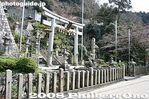
Kamo Shrine is one of the first things that catches your eye as you enter Samegai. It's shrine on a steep slope. 加茂神社Jun 25, 2008
|
|
Jun 25, 2008
|
|
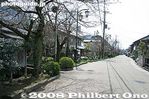
Jun 25, 2008
|
|
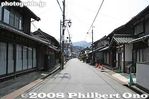
Samegai-juku and Nakasendo Road 醒井宿Jun 25, 2008
|
|
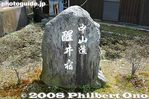
Samegai-juku stone monumentJun 25, 2008
|
|

Jun 25, 2008
|
|
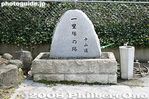
Jun 25, 2008
|
|
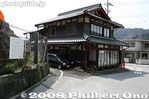
Samegai-juku is the sixty-first station or post town (shukuba) of the sixty-nine stations on the Nakasendo Road. It is the second Nakasendo station in Shiga (following Kashiwabara-juku), MAPJun 25, 2008
|
|
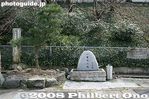
Ichirizuka milestone 一里塚Jun 25, 2008
|
|
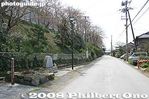
Site of Ichirizuka milestone on left.Jun 25, 2008
|
|
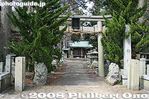
Hachiman ShrineJun 25, 2008
|
|
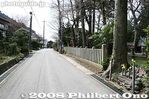
Nakasendo Road going to Samegai-juku.Jun 25, 2008
|
|
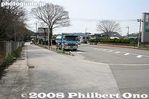
Nakasendo Road on left, entering Samegai-juku. On the right is Route 21 going to Maibara Station.Jun 25, 2008
|
|
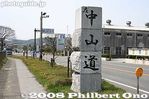
Nakasendo stone marker. Go left to enter the old Nakasendo Road.Jun 25, 2008
|
|
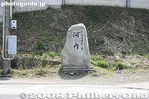
Kawauchi stone monumentJun 25, 2008
|
|
Jun 25, 2008
|
|
Stone marker between Azusa and Kashiwabara-juku.Jun 25, 2008
|
|
Jun 25, 2008
|
|
From Kashiwabara-juku, heading toward Samegai-juku.Jun 25, 2008
|
|
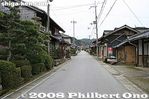
Jun 22, 2008
|
|
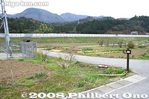
Path to Kamaha Castle, a mountaintop castle in the distance. Only stone walls remain. 鎌刃城Jun 22, 2008
|
|
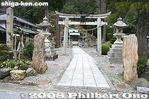
Kitano ShrineJun 22, 2008
|
|
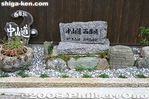
Bamba-juku monumentJun 22, 2008
|
|
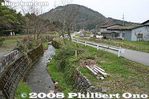
Jun 22, 2008
|
|
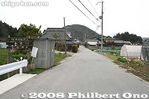
Jun 22, 2008
|
|
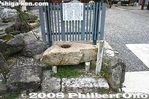
A stone found in a river bank. Since it has a hole, it is thought to be a foundation stone for a building's pillar.Jun 22, 2008
|
|
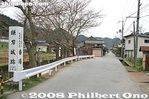
Turn left to hike to Kamaha Castle ruins. 鎌刃城Jun 22, 2008
|
|
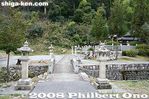
There's no explanation about the shrine.Jun 22, 2008
|
|
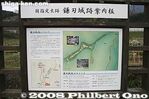
Map of Kamaha Castle. 鎌刃城Jun 22, 2008
|
|

Naotaka Shrine Honden HallJun 22, 2008
|
|
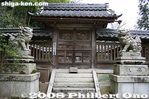
The shrine has no human staff, but a security camera operates.Jun 22, 2008
|
|
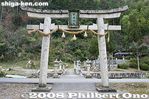
Naotaka Shrine toriiJun 22, 2008
|
|
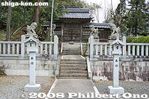
Naotaka ShrineJun 22, 2008
|
|
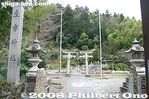
Naotaka Shrine, dedicated to Lord Ii Naotaka, the third lord of Hikone Castle. 直孝神社Jun 22, 2008
|
|
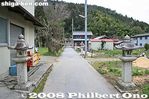
From Rengeji temple, a short distance away on the Nakasendo Road is this path to Naotaka Shrine.Jun 22, 2008
|
|
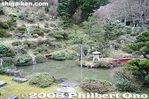
Temple garden. Best during spring when the flowers bloom.Jun 22, 2008
|
|
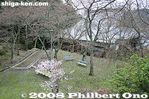
View behind the Hondo.Jun 22, 2008
|
|

Also behind the Hondo is this Ikko-sugi tree, 700 years old. Named after the temple's founding priest Saint Ikko, it was planted where Ikko was cremated. Over 30 meters high and 5 meters wide. 一向杉Jun 22, 2008
|
|
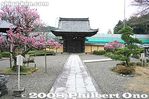
View from Hondo hall.Jun 22, 2008
|
|
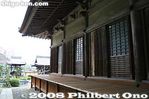
Side of the HondoJun 22, 2008
|
|
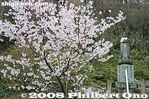
Jun 22, 2008
|
|

Bamba Chutaro Jizo-son statue, based on a character in the novel "Mabuta-no-Haha" 瞼の母 by Hasegawa Shin (1884-1963) 長谷川伸. 番場忠太郎Jun 22, 2008
|
|
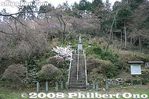
Behind the Hondo hall is a small hill with the Bamba Chutaro Jizo-son statue.Jun 22, 2008
|
|
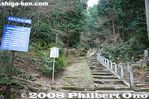
There are more steps which lead to graves of temple priests and Saint Ikko's mausoleum.Jun 22, 2008
|
|
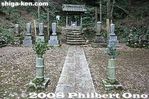
Mausoleum of Saint Ikko Shunsho.Jun 22, 2008
|
|
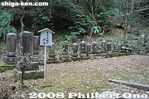
Graves of previous temple priests.Jun 22, 2008
|
|
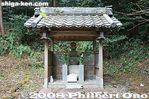
Small mausoleum for Saint Ikko. 一向上人の御廟Jun 22, 2008
|
|
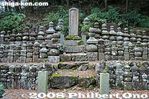
Graves of Hojo Nakatoki and his men from the Rokuhara Tandai. 北条仲時一行の墓Jun 22, 2008
|
|
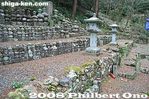
Over 430 gravestones. Hojo Nakatoki and his men were besieged in Bamba by Southern Imperial Court forces. They fought back, but lost and slit their bellies in front of Rengeji's Hondo main hall.Jun 22, 2008
|
|
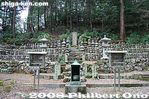
The temple's third priest wrote the names and age (youngest was 14) of the known fallen warriors in a scroll. He also made these gravestones for them. Visuallly, it's very impressive edifice.Jun 22, 2008
|
|
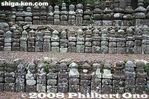
The gravestones have five levels. In fall, the surrounding maple leaves turn blood red.Jun 22, 2008
|
|
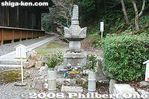
Grave of the lord of Kamaha Castle who helped to rebuild the Rengeji temple.Jun 22, 2008
|
|

A few steps up a slope.Jun 22, 2008
|
|
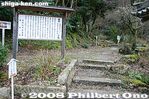
Way to the graves of Hojo Nakatoki and his men who committed suicide.Jun 22, 2008
|
|
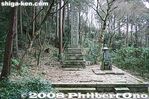
Memorial for Hojo Nakatoki and his men. They had lost to Ashikaga Takauji in the battle at Kyoto and were trying to escape to Kamakura, but was caught by Takauji's forces at Bamba.Jun 22, 2008
|
|
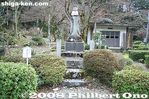
Memorial for victims of the Pacific War.Jun 22, 2008
|
|
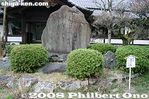
Monument for a poem by Saito Mokichi (1882-1953). 斉藤茂吉の歌碑 「松風の音を聞くときは 古への 聖の如く 我は寂しむ」Jun 22, 2008
|
|
Jun 22, 2008
|
|
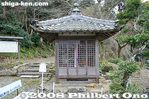
Inside is a Jizo-son statue worshipped for transportation safety.Jun 22, 2008
|
|
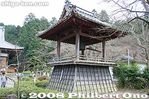
Bell tower. Cast during the time of Saint Ikko, the bell is an Important Cultural Property.Jun 22, 2008
|
|

Jun 22, 2008
|
|
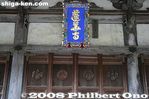
Rengeji Hondo Hall's framed nameplate. The temple's name was written by Emperor Go-Mizunoo (1596–1680).Jun 22, 2008
|
|
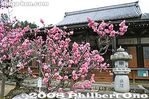
This is the area where Hojo Nakatoki and his men committed seppuku.Jun 22, 2008
|
|
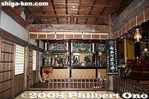
Inside Rengeji Hondo Hall, left altar.Jun 22, 2008
|
|
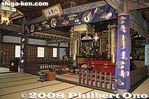
Inside Rengeji Hondo Hall, main altar at the center. 蓮華寺 本堂Jun 22, 2008
|
|
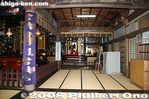
Inside Rengeji Hondo Hall, right altar.Jun 22, 2008
|
|
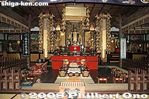
Inside Rengeji Hondo Hall, main altar at the center. There are two figures: Amida Nyorai and Shaka Nyorai. Jodo-shu Buddhist sect. 蓮華寺 本堂Jun 22, 2008
|
|

Red plum blossoms in front of Rengeji Hondo Hall, in early April.Jun 22, 2008
|
|
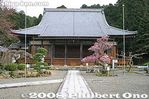
Rengeji Hondo Hall, Banba-juku, Maibara, Shiga. Quite a few emperors favored this temple. The 95th Emperor Hanazono (1297-1348) gave the temple an Imperial sanction to receive Imperial prayers. Hence, the temple's Imperial crest. 蓮華寺Jun 22, 2008
|
|
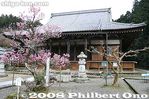
Until 1943, the temple was a dojo for the Jishu Ikko sect. It then converted to Jodo-shu. Admission is charged, I think 300 yen. There's a unmanned collection box near the entrance.Jun 22, 2008
|
|
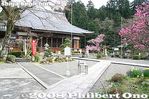
Rengeji temple belongs to the Jodo-shu Buddhist sect. The founding priest was Saint Ikko. With support from the lord of Kamaha Castle near Bamba, he was able to rebuild the temple and renamed it Rengeji. 一向上人Jun 22, 2008
|
|
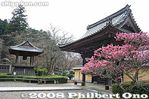
Rest assured, it's very peaceful in the temple. Rengeji's Sanmon Gate (right) and bell tower on left.Jun 22, 2008
|
|
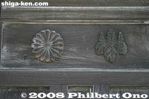
Wooden insignia on Sanmon Gate with the Imperial crest on the left. The temple was originally founded by Prince Shotoku Taishi about 1,300 years ago. He named it Horyuji 法隆寺. After being struck by lightning, it was rebuilt in 1284.Jun 22, 2008
|
|

On the left of the Sanmon Gate is the "River of Blood." When Hojo Nakatoki and 430 of his men slit themselves on May 9, 1333, the blood became a river flowing here. It was during the Genko War when the Emperor Go-Daigo fought the Kamakura shogunJun 22, 2008
|
|

"River of Blood" sign. In charge of national security, Hojo Nakatoki was the last Rokuhara Tandai Kitakata chief from the Hojo clan in the Kamakura shogunate. When tourists see this sign, they become scared to enter the temple.Jun 22, 2008
|
|
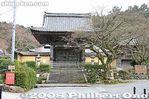
Right after passing under the Meishin Expressway, you see Rengeji's Sanmon Gate. 蓮華寺 山門Jun 22, 2008
|
|
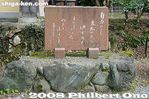
Rengeji is famous as the place where Hojo Nakatoki 北条仲時 and over 430 of his men committed suicide after being defeated by Ashikaga Takauji's forces during the fall of the Kamakura shogunate in 1333. This is a monument for this tragic event.Jun 22, 2008
|
|
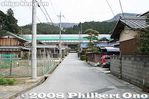
Path to Rengeji temple.Jun 22, 2008
|
|
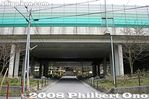
Smack dab in front of Rengeji temple is this monstrosity that is the Meishin Expressway.Jun 22, 2008
|
|

Marker indicating that Emperor Meiji took a break here once.Jun 22, 2008
|
|
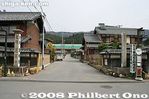
On the left of the road is the path to Rengeji temple.Jun 22, 2008
|
|
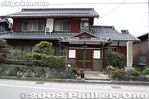
Place where Emperor Meiji took a break. It was the site of another Toiya-ba.Jun 22, 2008
|
|
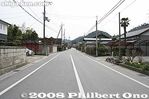
Going further down the road in Bamba.Jun 22, 2008
|
|
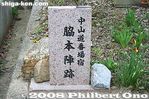
Close-up of stone marker for the Waki-Honjin. There are no original buildings left in Bamba-juku related to the post town, except for Rengeji temple.Jun 22, 2008
|
|
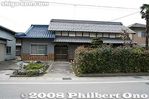
Site of the Honjin, the town's most exclusive inn for daimyo lords and other VIPs. This is not the original building. Just a private house. Near the Waki Honjin. 本陣跡Jun 22, 2008
|
|
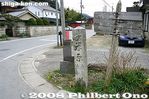
Stone marker with a finger pointing the way to Maibara Port where you can board a boat to go to Otsu via Lake Biwa. This is at the same intersection across from the Bamba-juku stone monument.Jun 22, 2008
|
|
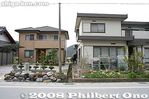
Site of the Waki-Honjin on the right. Now a modern house. The Waki Honjin was the town's second-best lodge. 脇本陣跡Jun 22, 2008
|
|
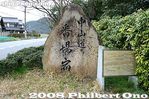
Bamba-juku stone monument.Jun 22, 2008
|
|
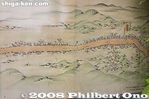
Next to the Bamba-juku stone monument is an old map of Bamba-juku.Jun 22, 2008
|
|
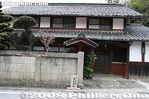
Site of another Toiya-ba.Jun 22, 2008
|
|

Intersection with a Bamba-juku stone monument. A good place to rest and eat your box lunch.Jun 22, 2008
|
|
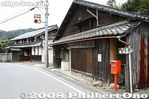
Another welcome sign in Bamba-juku.Jun 22, 2008
|
|
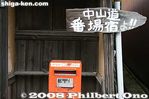
Welcome sign in Nakasendo Bamba-juku. (The orange object is a mailbox.)Jun 22, 2008
|
|
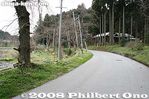
Bamba-juku is the third Nakasendo station in Shiga, following Samegai-juku which is also in Maibara.Jun 22, 2008
|
|
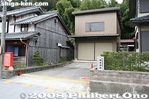
Marker for site of a Toiya-ba which was a travel logistics office where you can get pack horses, forward your baggage, and find a place to stay in Bamba. 問屋場Jun 22, 2008
|
|
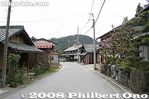
Bamba today is a quiet, rural settlement. It is divided into east Bamba and west Bamba.Jun 22, 2008
|
|
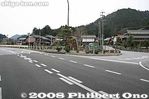
Then you'll see a fork in the road. Take the smaller right road which is the former Nakasendo Road.Jun 22, 2008
|
|
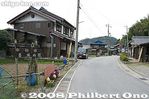
Finally a small sign on the left declaring "Nakasendo Bamba-no-juku."Jun 22, 2008
|
|
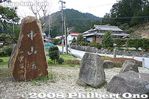
Bamba-juku monument marking the location of the Kure Ichirizuka milestone. 久禮の一里塚 MAPJun 22, 2008
|
|
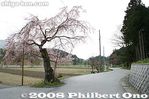
Old Nakasendo Road to Bamba-juku, the sixty-second station or post town (shukuba) of the sixty-nine stations on the Nakasendo Road.Jun 22, 2008
|
|

Bamba-juku (Banba-juku) does not have any train stations within walking distance. The closest is Maibara and Samegai Stations. Buses and taxi available. From Samegai, go on Route 21 until you reach this intersection (3 km from Bamba) where you turn left.Jun 22, 2008
|
|

The island in the middle has a Bamba-juku monument.Jun 22, 2008
|
|
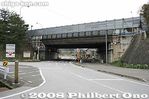
You will soon see this Hokuriku Highway overpass. Go under it.Jun 22, 2008
|
|
Jun 22, 2008
|
|
Jun 22, 2008
|
|

Jun 22, 2008
|
|
Jun 22, 2008
|
|
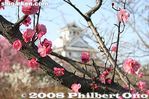
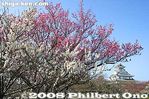
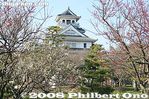
Plum blossoms and Nagahama Castle.Jun 22, 2008
|
|

Plum tree and Nagahama Castle.Jun 22, 2008
|
|
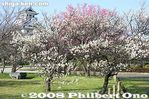
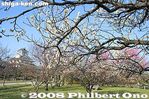
Plum tree grove called "bairin."Jun 22, 2008
|
|
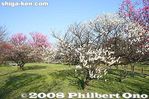
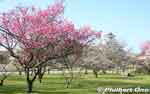
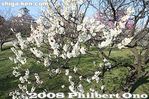
Plum blossoms, Hokoen Park, Nagahama, ShigaJun 22, 2008
|
|
Jun 22, 2008
|
|
Jun 22, 2008
|
|
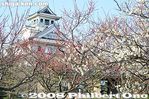
The plum blossoms are mainly red and white.Jun 22, 2008
|
|

Jun 22, 2008
|
|
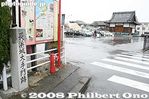
Stone marker near Otabisho marking the location of the castle's Otemon Gate.Jun 22, 2008
|
|
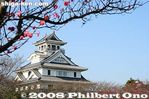
Hokoen Park also has a good-size grove of plum blossoms which bloom in March.Jun 22, 2008
|
|

Nagahama Castle and plum blossoms.Jun 22, 2008
|
|
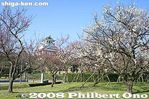
Jun 22, 2008
|
|
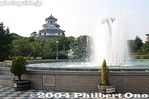
Water fountainJun 22, 2008
|
|

Stone marker in central Nagahama marking the location of the castle's Sotobori outer moat.
Jun 22, 2008
|
|

Marker indicating the location of Nagahama Castle's stone wall.Jun 22, 2008
|
|

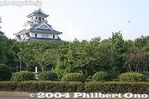
With snow.Jun 22, 2008
|
|
Jun 22, 2008
|
|
Jun 22, 2008
|
|
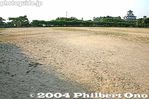
Athletic field in Hokoen Park. You can see the castle tower in the distance toward the right among the trees.Jun 22, 2008
|
|
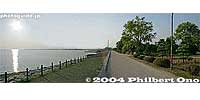
Shoreline of Hokoen Park facing Lake Biwa.Jun 22, 2008
|
|

In summer, the park has lots of green.Jun 22, 2008
|
|
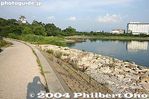
Shoreline near Nagahama Castle.Jun 22, 2008
|
|
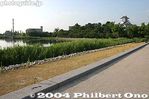
Lake Biwa shore near Nagahama Castle.Jun 22, 2008
|
|
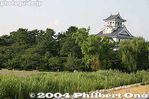
Jun 22, 2008
|
|
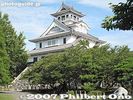
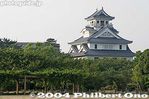
Nagahama Castle in summer.Jun 22, 2008
|
|

Jun 22, 2008
|
|
Jun 22, 2008
|
|
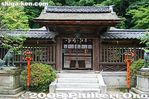
Nagara Shrine Honden Hall. The original shrine was atop the mountain, but it was later moved here in 1054 at the foot of Mt. Nagara to make it more accessible to worshippers.Jun 21, 2008
|
|
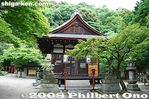
In 860, Miidera Founder Enchin worshipped this shrine as the guardian deity of Miidera.Jun 21, 2008
|
|
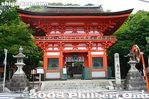
Built in 1905, gate of Nagara Jinja Shrine.Jun 21, 2008
|
|
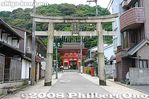
Next to Miidera temple's southern boundary is Nagara Shrine. The shrine is not part of Miidera, but it is often included in maps of Miidera temple. 長等神社Jun 21, 2008
|
|

Behind the Kancho-do Hall is the Daishi-do Hall where Enchin is interred.Jun 21, 2008
|
|
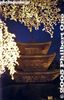
Cherry blossoms and three-story pagoda at night.Jun 21, 2008
|
|

Beautiful cherry blossoms at night.Jun 21, 2008
|
|
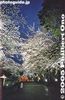
Jun 21, 2008
|
|

Miidera cherry blossoms at night.Jun 21, 2008
|
|

Jun 21, 2008
|
|
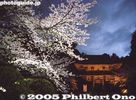
Cherry blossoms and the Niomon Gate at night in April.Jun 21, 2008
|
|
Cherry blossoms at Miidera temple, Shiga.Jun 21, 2008
|
|
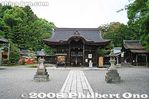
Goho Zenjin-do Hall worships a guardian deity for children. Pray here for a safe childbirth and healthy growth of your kids. 護法善神堂Jun 21, 2008
|
|
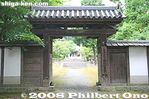
Gate to Goho Zenjin-do HallJun 21, 2008
|
|
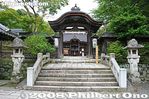
Another gate to Goho Zenjin-do HallJun 21, 2008
|
|
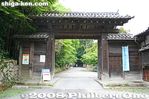
On the fringe of Miidera is Somon Gate 総門Jun 21, 2008
|
|

Soroban (Abacus) MonumentJun 21, 2008
|
|
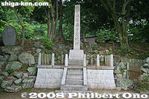
Monument dedicated to Shiga Prefectural police officers.Jun 21, 2008
|
|
| 71718 files on 285 page(s) |
 |
|
214 | |
|
|